


Risks of Reusing Chemical Protective Clothing
Do you know the risks of reusing chemical protective clothing, such as performance degradation, challenges in cleaning and decontamination, and incremental invisible damages caused by use and contamination over time?
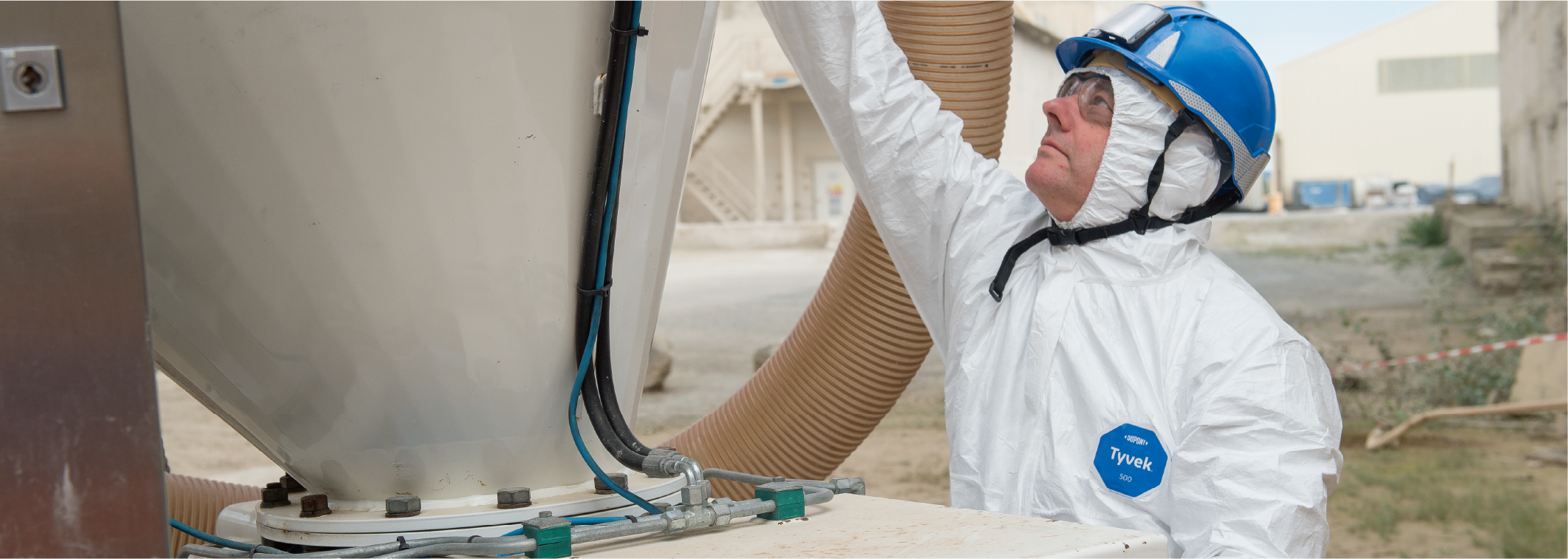
Chemical protective clothing (CPC) serves as a vital barrier for workers to protect them against harmful chemicals. Depending on their design, chemical protective clothing (CPC) can be categorized into reusable and limited/single use CPC types. While limited/single use chemical protective clothing can be worn for a maximum of 8 hours or until damaged or contaminated. No garment whether reusable of single/limited use can be altered or used beyond its design limits (including shelf life) as indicated in the manufacturer's instructions.This article aims to systematically analyze the potential risks associated with both reusable and limited/single use chemical protective clothing when they are reused beyond their intended service life, despite the presence of signals indicating that they should be discarded.
I. Irreversible Degradation of Protective Performance of Chemical Protective Clothing
The core functionality of chemical protective clothing highly relies on the chemical resistance of its fabric. A single chemical exposure during use may be sufficient to induce microscopic interactions within the fabric, even when no visible degradation is apparent. This is the reason that most manufacturer's including of reusable garments indicate that when contaminated the garments should be removed (see manufacturer's instructions). Contamination can lead to reduced mechanical properties
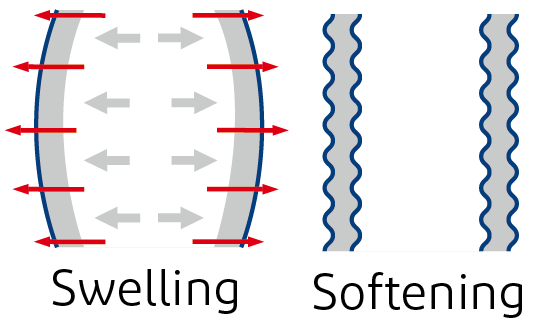
Polymer Swelling and Softening:
Even a single chemical exposure can alter the polymer fabric of chemical protective clothing, for example through swelling or softening. These changes are irreversible and can reduce barrier performance by allowing chemicals to permeate more rapidly, even when the fabric appears visually undamaged. Repeated exposure in the affected area further accelerates permeation, leading to a rapid loss of protective barrier performance.
Reduced Chemical Permeation Resistance:
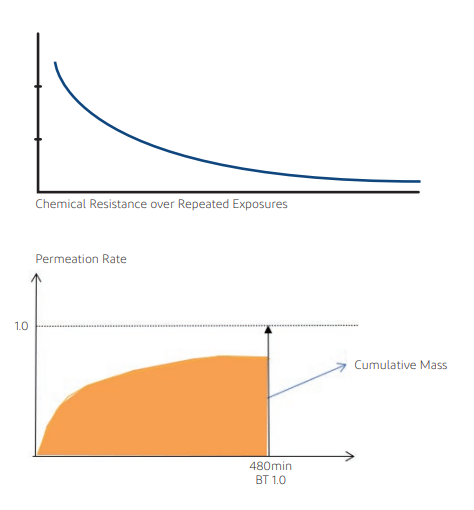
The breakthrough time and cumulative mass permeation of a chemical protective clothing fabric is a key parameter in garment selection, as it indicates whether the material provides resistance to a specific chemical,for what length of time and how much of the chemical permeation in a given amount of time. though it should not be interpreted as safe wear time.
With single and even more so exposure, chemicals can create micro-structural transport pathways within the material and cause polymer chain scission, thereby significantly shortening the time to permeation. As a result, the breakthrough time and cumulative permeation during the second or third use may respectively be substantially shorter or higher than during the first use, potentially leading to unrecognized chemical exposure.
II. Invisible Damage That Can Lead to Chemical Protective Clothing Failure
Physical damage is the most apparent risk associated with using and reusing chemical protective clothing (CPC); however, many critical forms of damage occur at the micro level and remain invisible, making them difficult to detect through routine inspection.

Micro-Cracks and Perforations:
Frequent donning and doffing, combined with repetitive movement during use, can cause micro-fatigue damage to the surface and seams of protective fabric materials. Although these micro-cracks and pinhole-level perforations are not visible to the naked eye, they may be sufficient to allow hazardous chemicals or biological agents to penetrate the garment, potentially resulting in harm to the wearer.

Loss of Overall Chemical Protective Clothing Integrity:
Seams, zippers, and valves are commonly the weakest components of chemical protective clothing (CPC) systems. Repeated use and cleaning can result in aging or degradation of sealants, loosening of adhesives, and a decline in zipper performance. Over time, these localized failures can spread, ultimately leading to loss of overall chemical protective clothing integrity and complete garment failure, even though the garment may still look intact.
III. Challenges for Decontamination and Garment Decontamination Processes
Cleaning used chemical protective clothing (CPC) for reuse is inherently a complex and risky process, as chemical contamination may not be completely removed or reliably verified. Moreover, the processes of cleaning and storage themselves can introduce additional issues, (cleaning should only occur based on recommendation and guidance (guarantees) of the manufacturer of the reusable garment) including weakening of the garment,risks of cross-contamination, and increased costs associated with wastewater treatment.

Inadequate Decontamination:
Garment decontamination processes whether for field decontamination (prior to doffing) or garment decontamination processes are generally limited to cleaning the surface of the fabric. Hazardous chemicals that have already been absorbed into or diffused within the material cannot be effectively removed through conventional cleaning methods. These chemicals may continue to migrate and permeate through the fabric, potentially reaching the opposite side of the garment. Such residual contaminants can result in ongoing exposure risks or may react unpredictably with new chemicals during subsequent use.

Lack of Evaluation Criteria:
Due to the absence of internationally recognized standards for assessing the adequacy of decontamination in chemical protective clothing (other than for contamination of radioactive materials (ISO 9271 and ISO 8690)), assurance cannot be provided regarding the safety and reliability of garments intended for reuse after decontamination. Within a company, who is willing to assume responsibility for such a significant risk?
Secondary Damage Caused by Decontamination Agents:
The garment decontamination agents used may degrade the fabric materials of protective clothing. Strong decontamination chemicals or improper decontamination methods can accelerate material aging, thereby further reducing the protective performance of the garment.
Cross-Contamination Risks:
Garment Contaminated chemical protective clothing may spread hazardous chemical substances during decontamination, storage, and donning and doffing, leading to secondary contamination of personnel, equipment, storage areas, and clean zones, thereby expanding the overall risk..

Costs of Wastewater Treatment:
The garment decontamination of chemical protective clothing (CPC) can generate wastewater contaminated with hazardous substances. Treating such wastewater presents significant financial and operational challenges, as it requires specialized treatment systems to neutralize hazardous chemicals and ensure their safe disposal. In addition, the complexity of wastewater treatment varies considerably depending on the types of chemicals involved, necessitating careful management to comply with environmental regulations. These requirements further increase operational and compliance-related costs.
IV. Risks Introduced by Management Practices and Human Factors
Even when chemical protective clothing (CPC) is approved for use or reuse within a company, management practices and human factors can still introduce significant and often underestimated risks that may compromise the intended level of protection.

Challenges in Tracking Usage History:
In practice, it is difficult to accurately track the complete usage history of each garment, including the specific chemicals it has been exposed to, the duration and intensity of that exposure, and the number of cleaning or decontamination cycles. Contamination may not be visible Without proper record-keeping or adequate management oversight, protective clothing may be reused beyond its safe service life, increasing the risk of performance degradation and failure.

Limitations of Inspection Processes:
Assessing the integrity of protective clothing through manual pre-use inspections alone is not fully reliable. Many types of functional degradation, including micro-damage, material fatigue, and loss of barrier performance, cannot be detected visually. Inattentiveness, inconsistent procedures, and limited technical expertise further increase the risk of compromised garments being approved for continued use.

False Sense of Security:
Wearers may develop a false sense of security, assuming that the use of chemical protective clothing alone is sufficient to ensure safety. This can lead to complacency and reduced situational awareness in hazardous environments. If a garment has been compromised through repeated use or inadequate decontamination, this misplaced confidence can result in significant exposure events and serious health effects.
The Takeaway?
Given the risks associated with both limited/single use or reusable chemical protective clothing when they are reused beyond their intended service life, it is strongly recommended to use limited/single use protective clothing and to dispose of it whenever contamination occurs or is suspected. Limited/single use chemical protective clothing helps eliminate concerns related to repeated contamination and barrier performance degradation, as well as the financial and operational burdens associated with cleaning, decontamination, and wastewater treatment.
Limited/single use chemical protective clothing offers a clear and reliable means of protecting workers. It eliminates uncertainties associated with garment reuse and provides the safest approach to minimizing chemical exposure when it is properly selected, correctly used, and promptly disposed of after any actual or suspected contamination. By removing the need to reassess reuse history or decontamination effectiveness before each use, limited/single use garments ensure consistent and predictable protective performance.
We encourage customers to prioritize thorough training for all personnel on the proper selection, use, and disposal of limited/single use chemical protective clothing, supported by clear internal procedures. Adopting and correctly using limited/single use chemical protective clothing is not merely an operational decision; it reflects a proactive approach to reducing risk and protecting the health and safety of everyone in the work environment.

Tychem® vs. Rubber-Based Reusable: Why Limited-Use Tychem® Garments Reduce Permeation Risk After Contamination
References
- Smith, J. (2023). “Chemical Protective Clothing: Ensuring Safety in Hazardous Environments.” Journal of Occupational Safety, 15(3), 45-58.
- Johnson, L., & Wang, H. (2022). “Degradation of Polymer Materials in Chemical Protective Clothing.” International Journal of Industrial Hygiene, 10(2), 112-125.
- Lee, K., & Chen, Y. (2021). “Challenges in Cleaning and Decontamination of Chemical Protective Gear.” Journal of Environmental Safety, 8(4), 233-247.
- Brown, M. (2020). “Mechanical Integrity of Reusable Chemical Protective Clothing.” Journal of Safety Research, 12(1), 78-89.
- Davis, R., & Zhang, T. (2019). “Human Factors in the Management of Chemical Protective Clothing.” Journal of Occupational Health, 7(3), 145-162.
About DuPont Personal Protection
DuPont is committed to developing innovative solutions rooted in purpose, foresight, and collaboration. Guided by our core values—Safety and Health, Respect for People, Highest Ethical Behavior, Continuous Growth and Improvement to solve the world’s challenges—we see safety not merely as a priority, but as a strategic business value and a foundational pillar of our operations and management philosophy.
DuPont Personal Protection is a global leader in chemical protective clothing, serving industrial, life sciences, and emergency response professionals. Focused on providing trusted personal protection, the business empowers workers to safely perform tasks ranging from the mundane to the extraordinary. Home to some of the industry’s most trusted brands—including Tyvek®, Tychem®, and ProShield®—DuPont Personal Protection delivers durable barrier protection through advanced fabric technologies, thoughtful garment design, and customer-driven innovation.
Supported by a broad distribution network and expert field support, DuPont Personal Protection remains firmly committed to a simple belief: every worker deserves trusted protection at every stage of their work.


This information is based upon technical data that DuPont believes to be reliable. It is subject to revision as additional knowledge and experience become available. It is the user’s responsibility to determine the level of toxicity, and the proper personal protective equipment needed. The information set forth herein reflects laboratory performance of fabrics, not complete garments, under controlled conditions. This information is intended for use by persons having the technical expertise to undertake evaluation under their own specific end-use conditions, at their own discretion and risk. Anyone intending to use this information should first check that the garment selected is suitable for the intended use. The end-user should discontinue use of garment if fabric becomes torn, worn or punctured, to avoid potential chemical exposure. Since conditions of use are beyond our control, DUPONT DE NEMOURS AND ITS AFFILIATES MAKE NO WARRANTIES, EXPRESSED OR IMPLIED, INCLUDING BUT NOT LIMITED TO WARRANTIES OF MERCHANTABILITY OR FITNESS FOR A PARTICULAR PURPOSE AND ASSUME NO LIABILITY IN CONNECTION WITH ANY USE OF THESE PRODUCTS AND INFORMATION. This information is not intended as a license to operate under or a recommendation to infringe any trademark, patent or technical information of DuPont or other persons covering any material or its use.