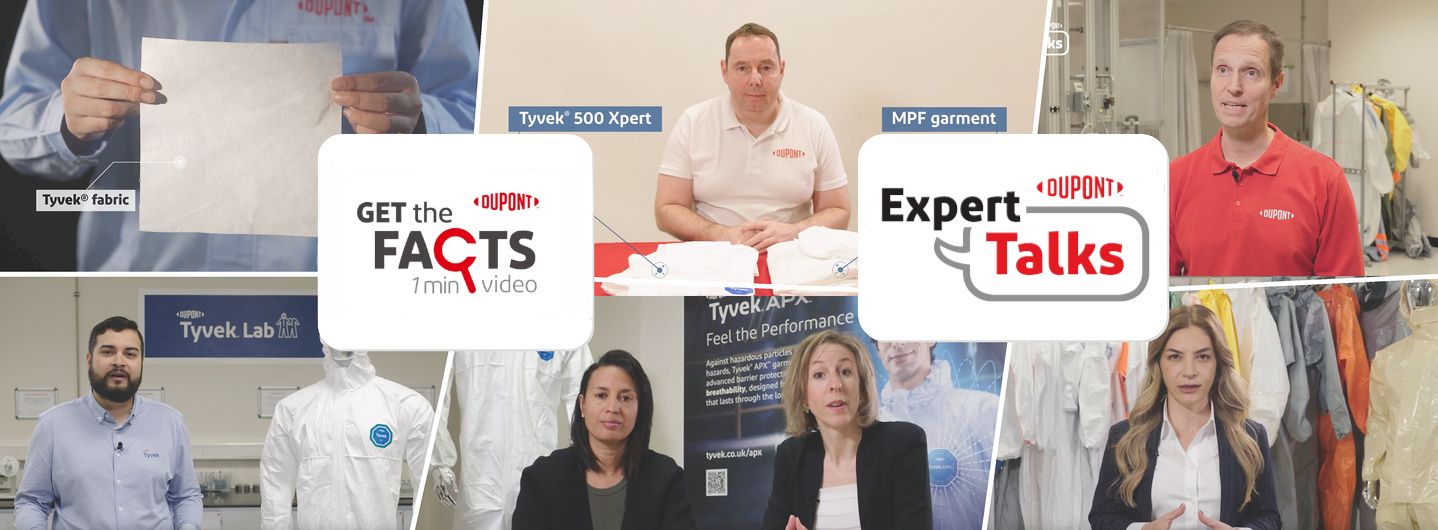


GetTheFacts and ExpertTalks are educational video series designed to help users uncover the facts behind protective apparel performance. Through visual demonstrations, comparative testing, and expert explanations, the series provide clear insights into the real-world performance of DuPont™ Tyvek®, Tychem® and ProShield® protective garments, enabling users to make more informed decisions about personal protection.
-
Tyvek®
Expert Talks Videos


Why antistatic treatment is important?
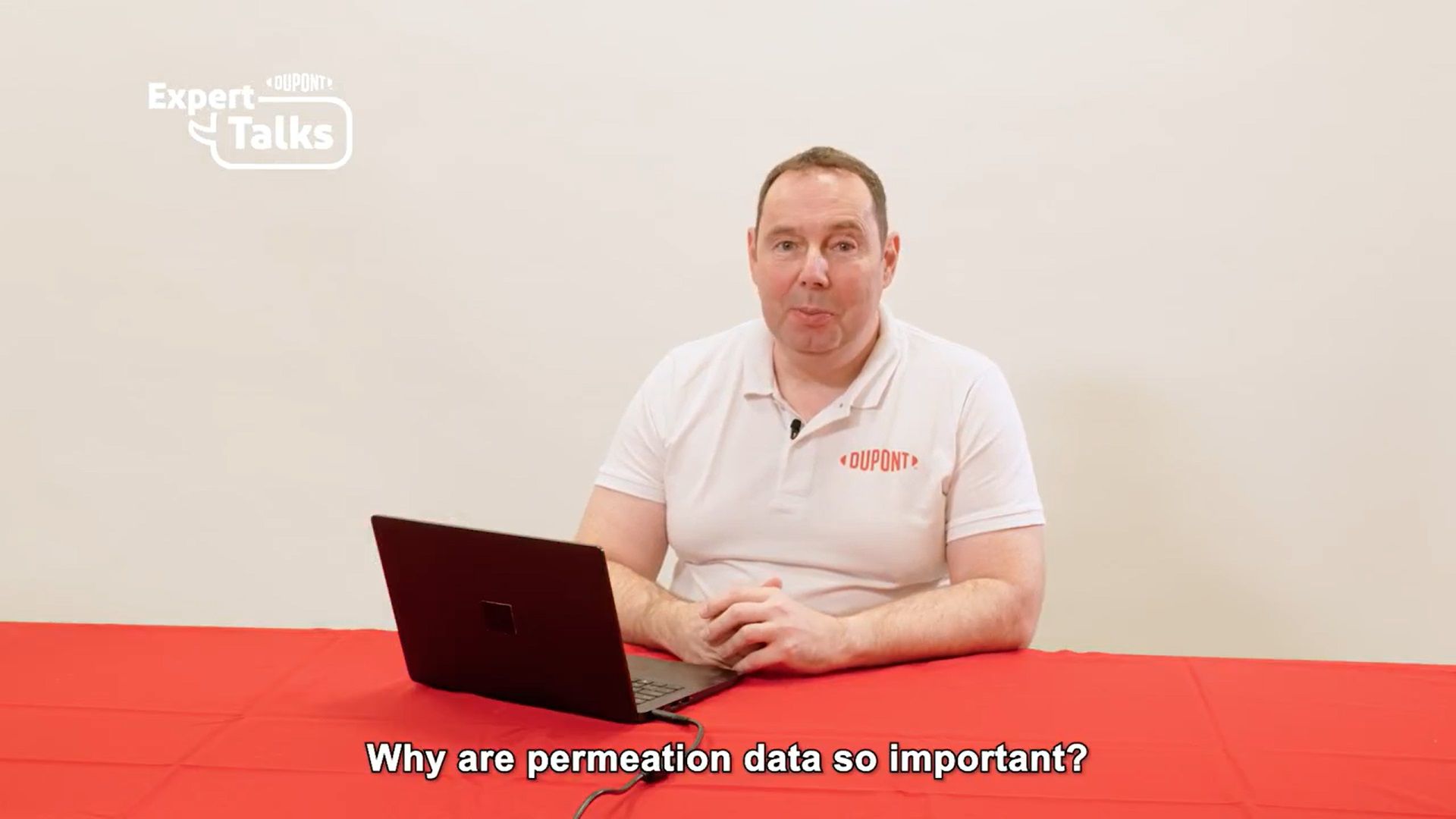
Why permeation data are so important?

9 Steps for PPE Selection

The Risks of Counterfeit Tyvek® Garments<br>
Quality of Single Use Garments
Get the Facts Videos


Tychem® vs. Chemically Treated Woven Workwear: Choosing the Right Protection Against Acids (98% Sulfuric Acid)

Tychem® vs. Competition: Safer Garment Closure Systems to Minimize Liquid Inward Leakage Risk

Tychem® vs. Competition: Exceptional Durability That Maintains Protection Throughout Garment Life

Tychem® SFR: Secondary Flame Resistance for Chemical and Flash Fire Protection

Safety Guide: Choosing the Right Decontamination Method for Chemical Hazards
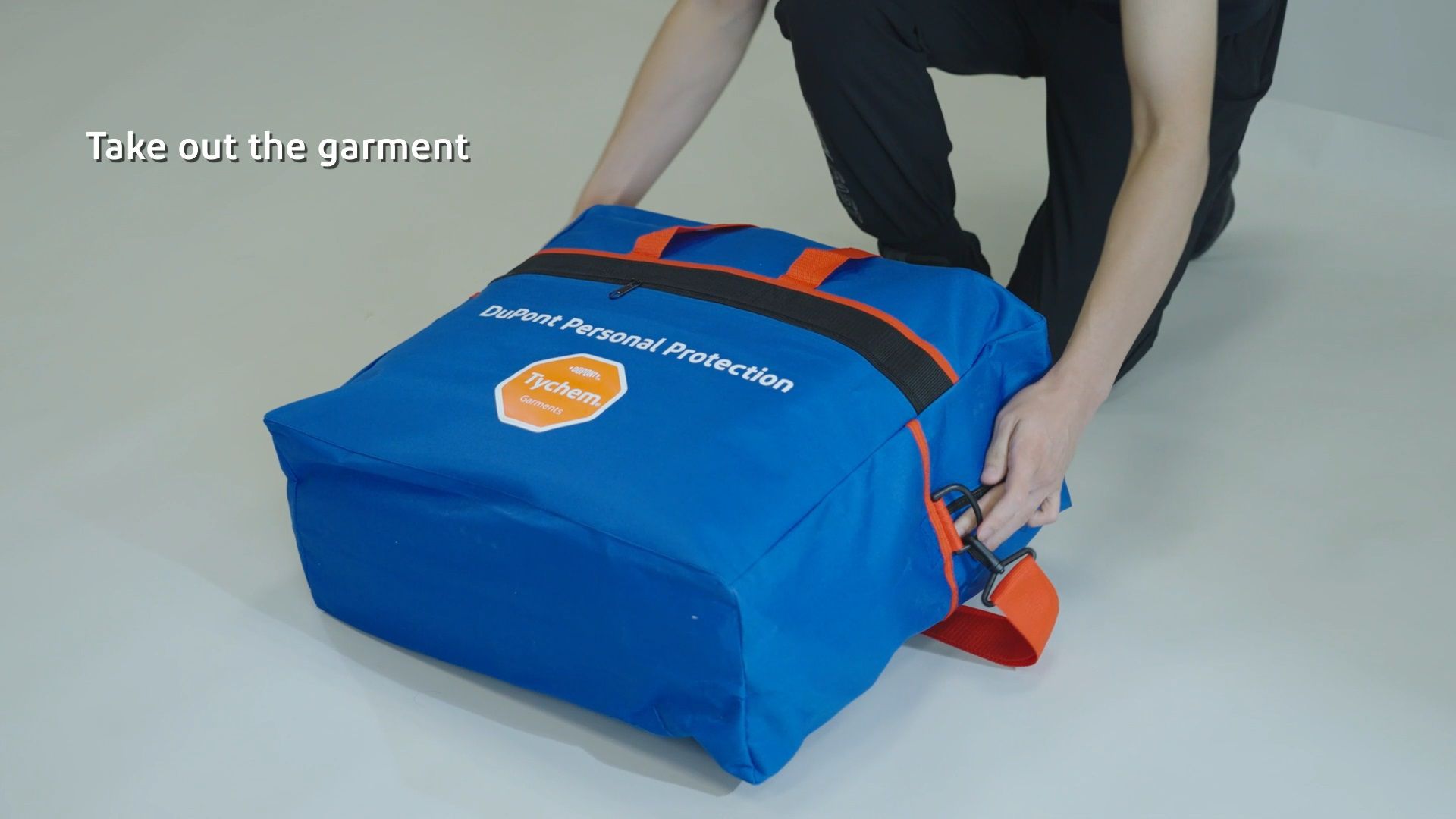
Safety Guide: How to Don and Doff Tychem® Level A Suit <br><br>
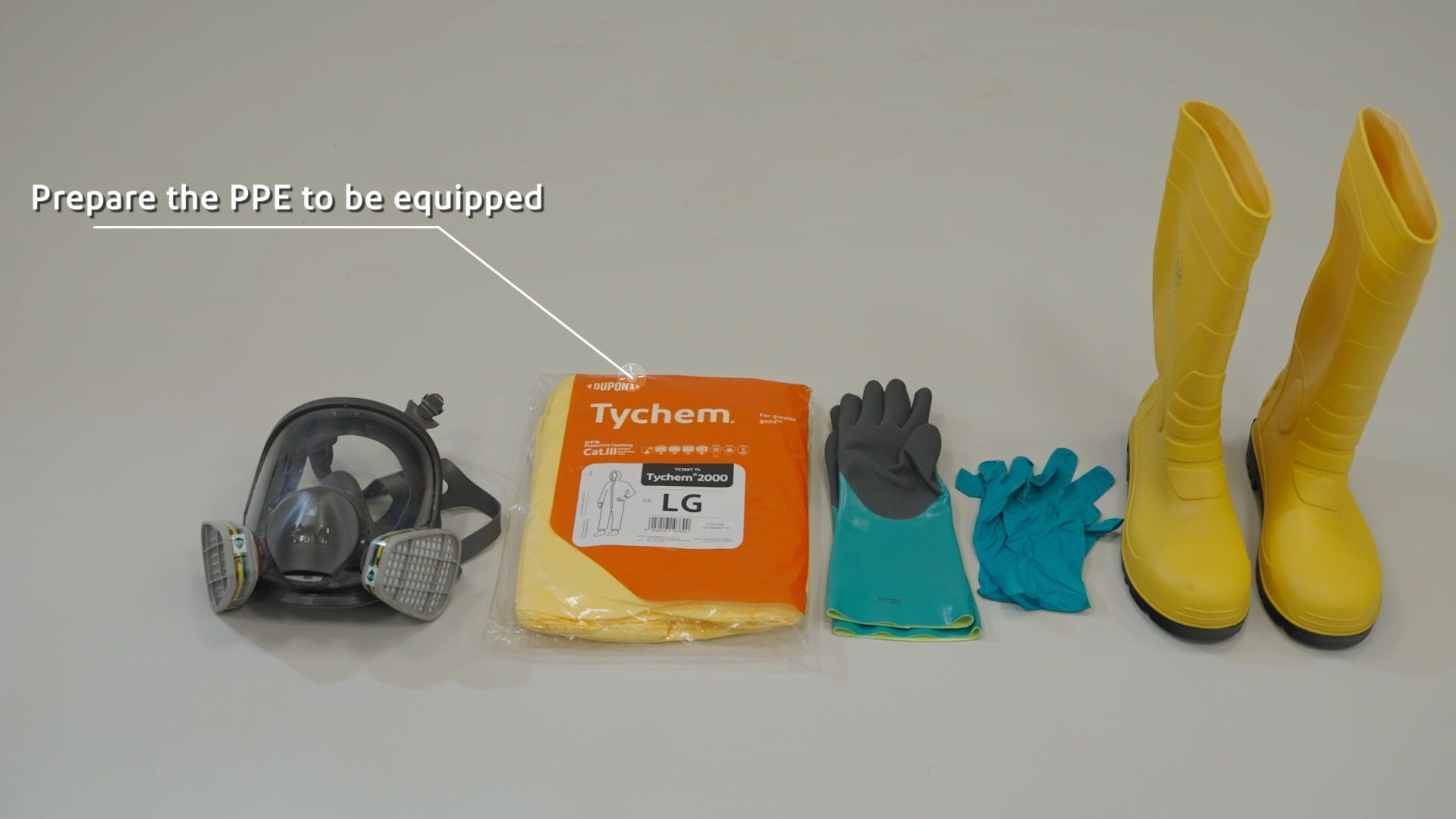
Safety Guide: Step-by-Step Procedure for Donning and Doffing Tychem® Hooded Coveralls
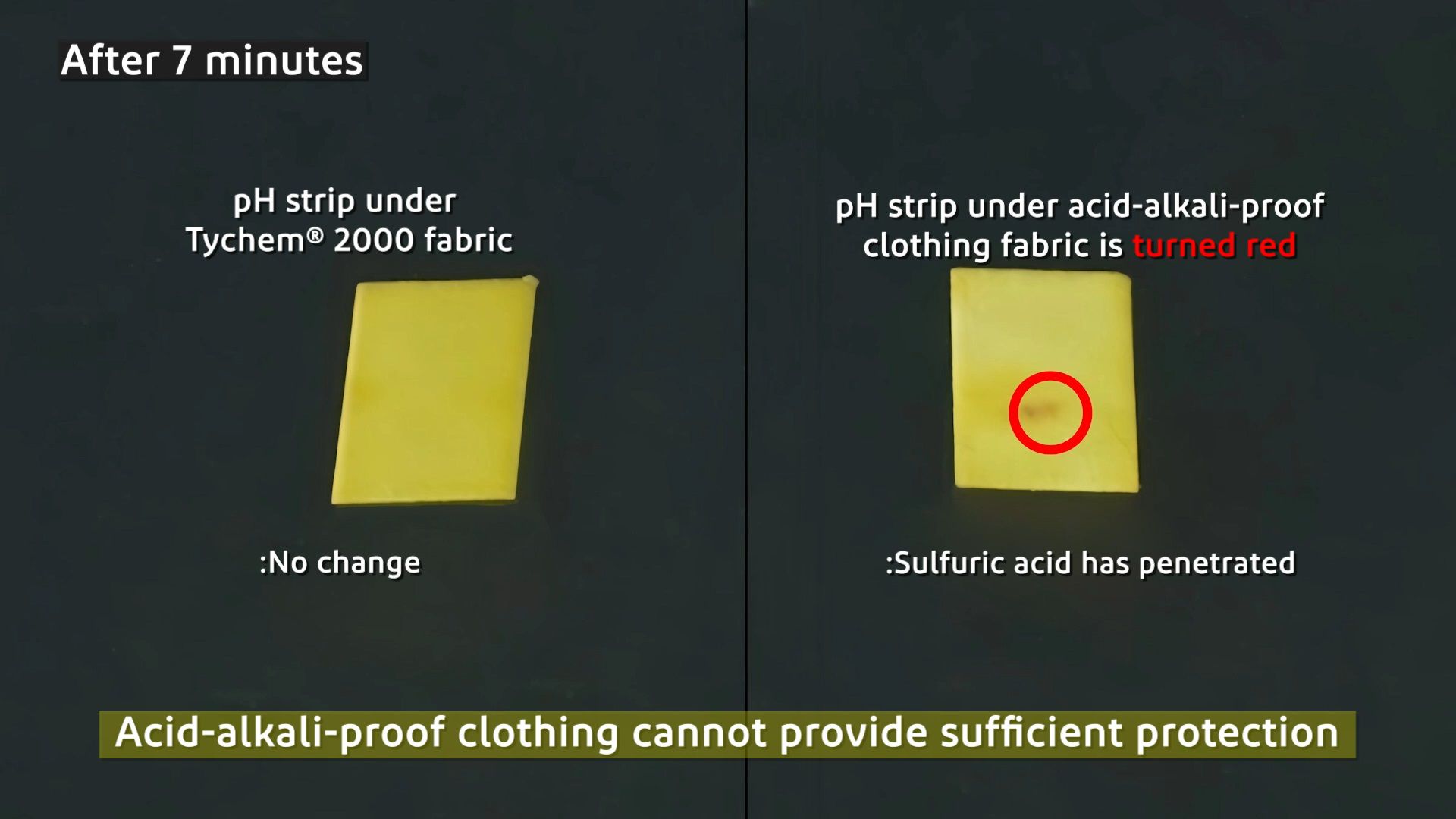
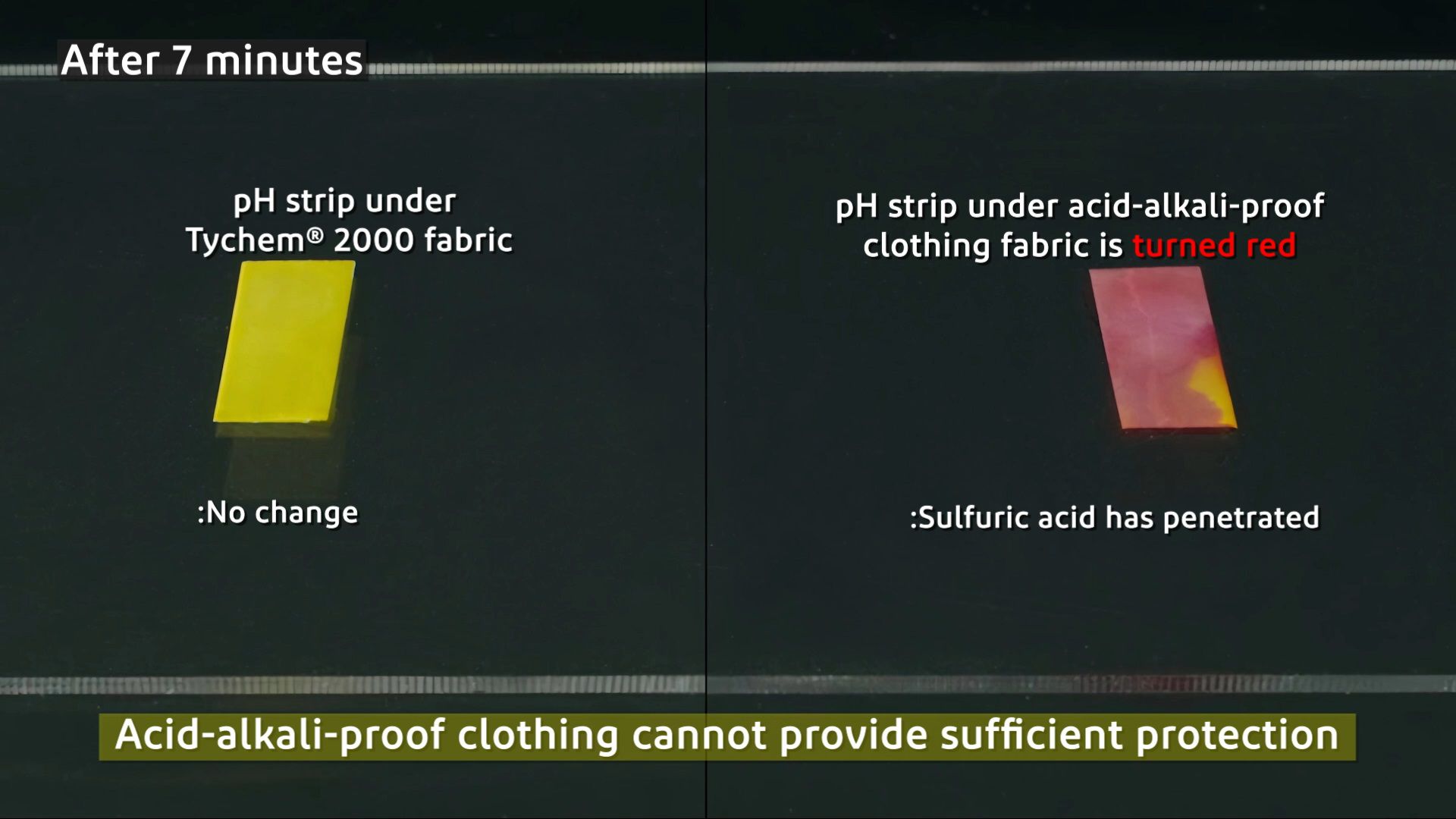
Tychem® vs. Coated Textile Garment (Chemical Barrier) Sulfuric Acid
Tychem® vs. Coated Textile Garment (Chemical Barrier) HF Acid
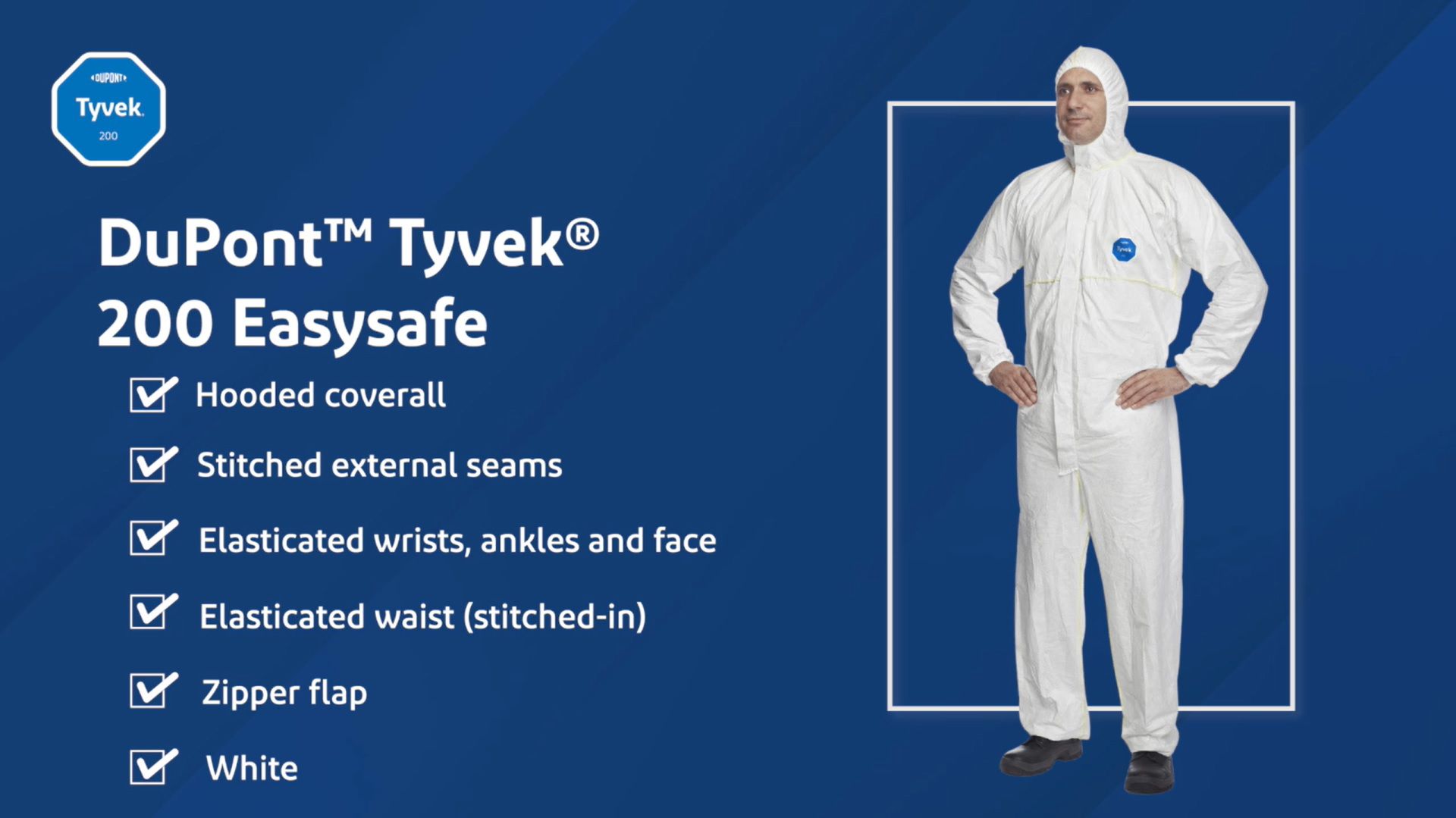
Introducing versatile Tyvek® 200 Easy Safe <br>
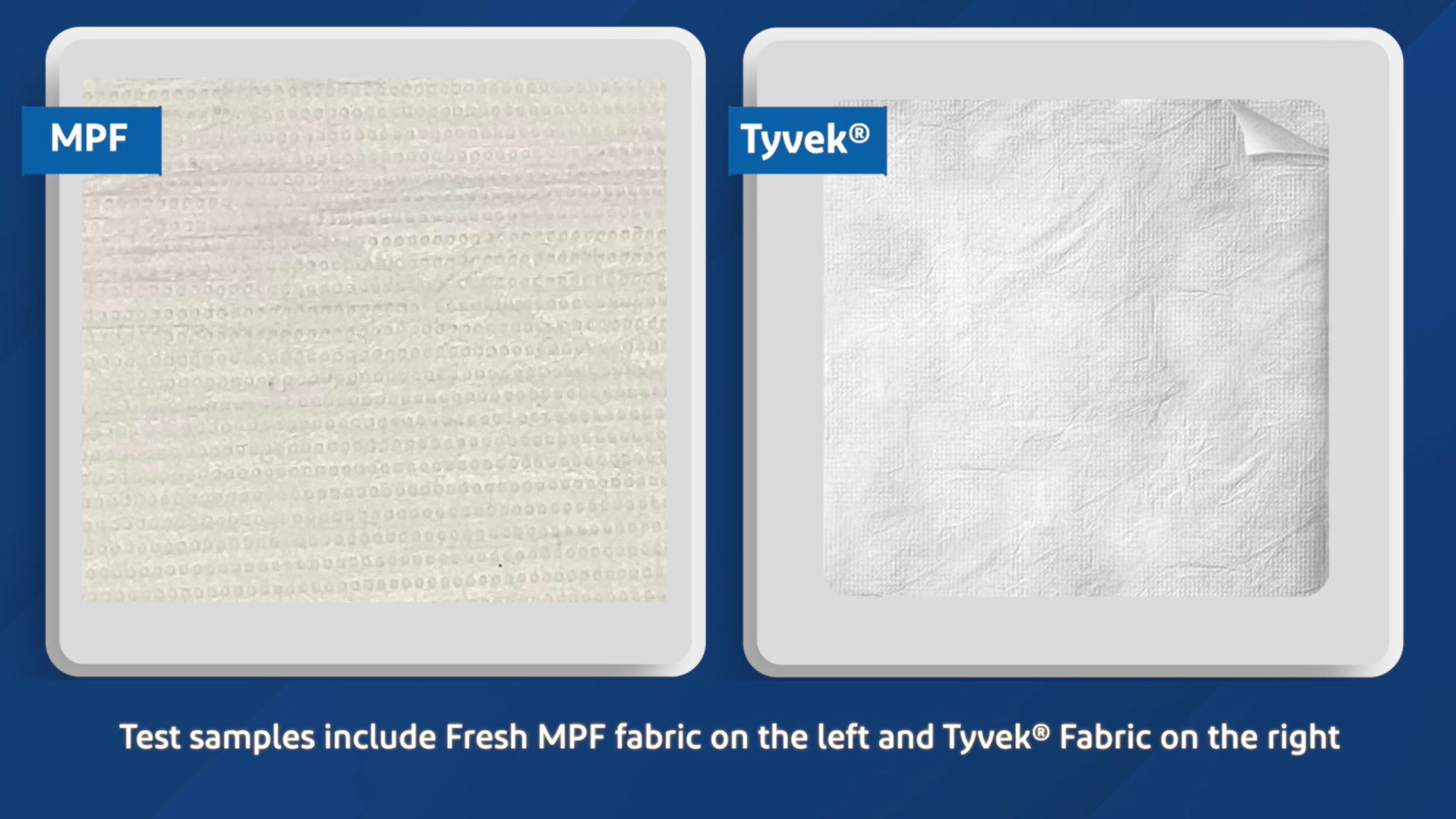
Tyvek® vs. MPF: Water Penetration Resistance Under Pressure That Lasts Even After Abrasion
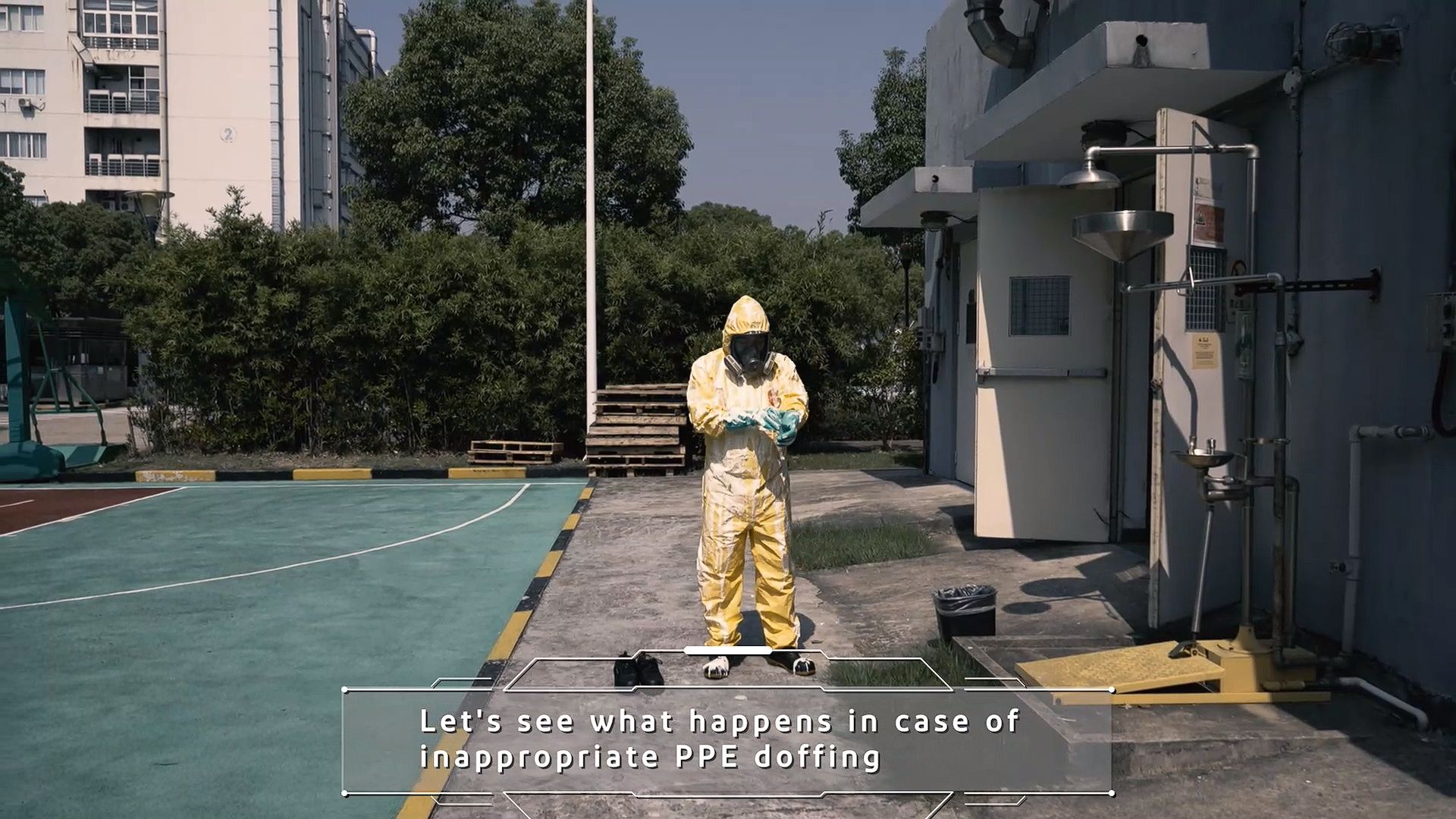
Safety Guide: Improper Doffing of Contaminated PPE—The Risk You Don’t See
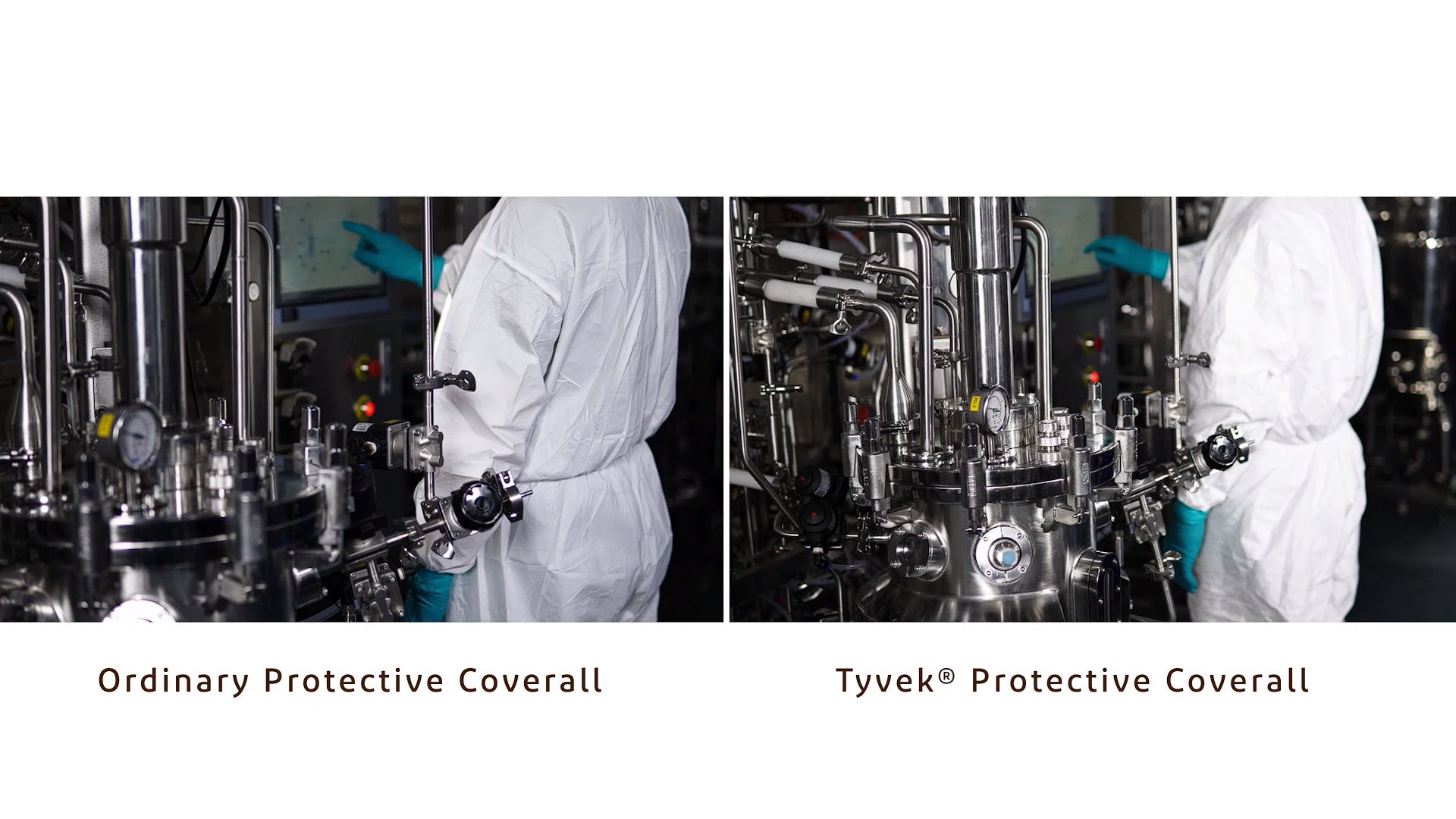
Tyvek® vs. SMS/MPF: Superior Durability and Protection in Real-World Environments
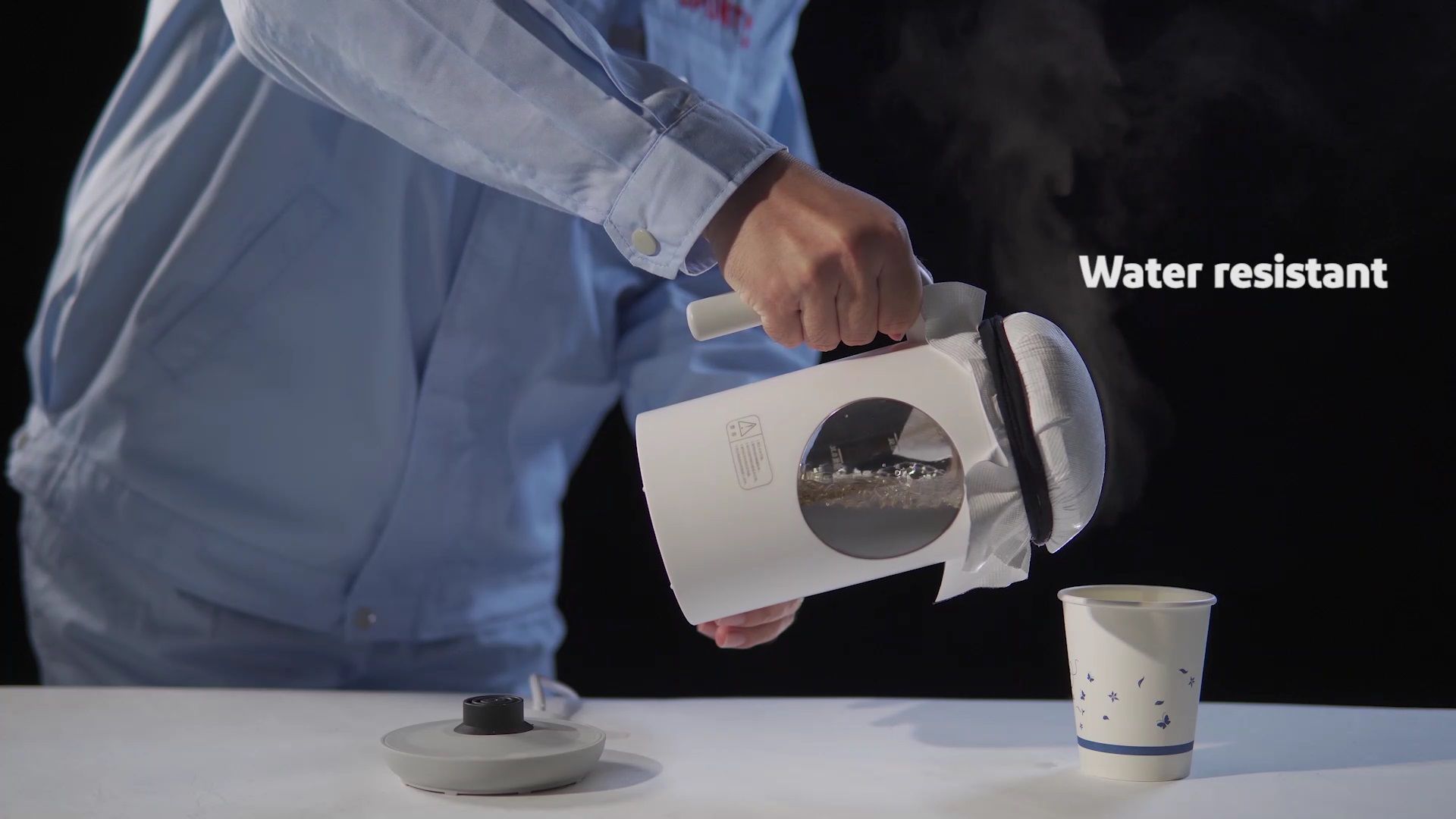
Tyvek® vs. MPF: Breathable Yet Water Resistant
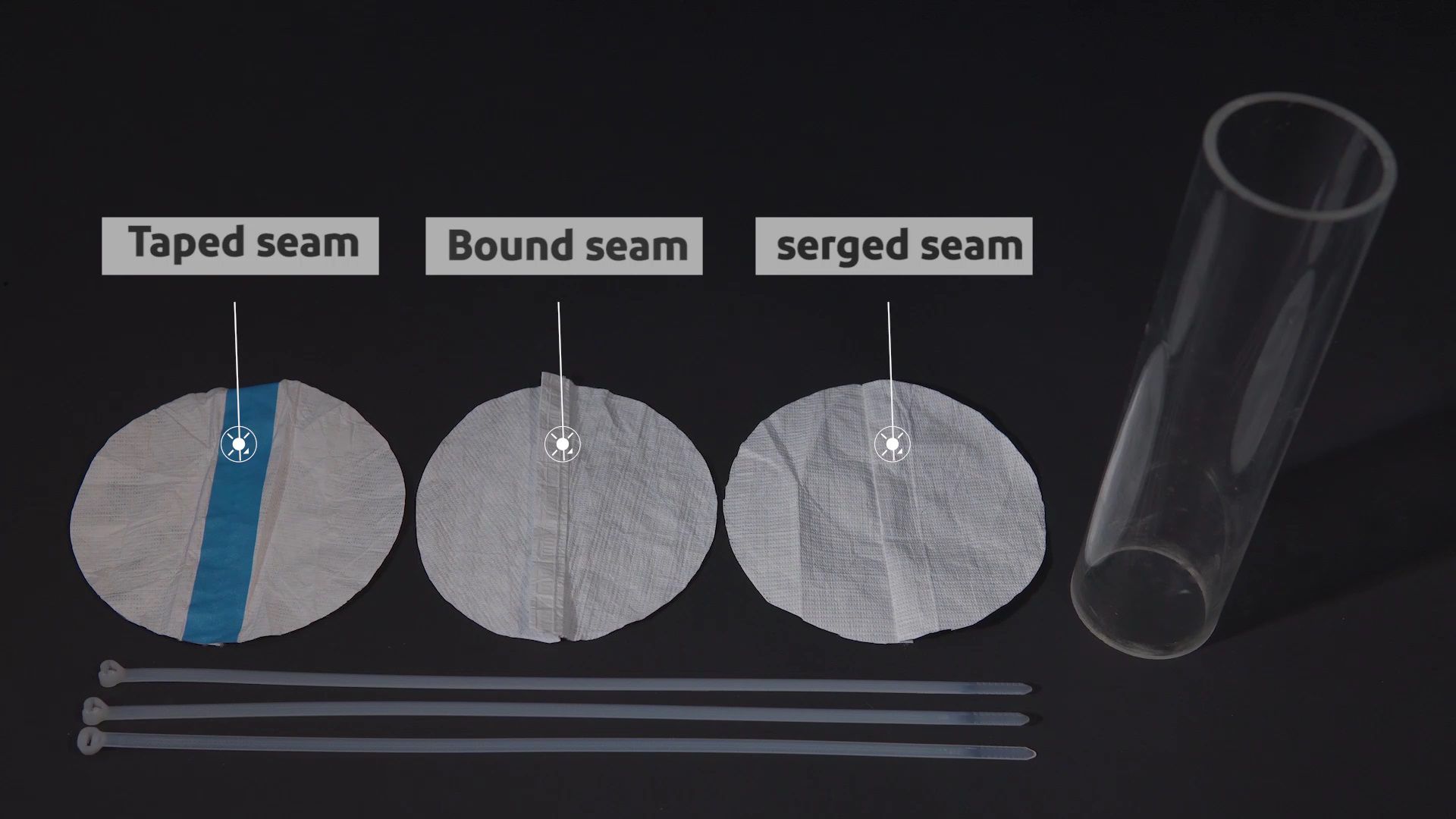
Safety Guide: Understanding Seam Types—Choose the Right Seams for Chemical and Biological Hazards
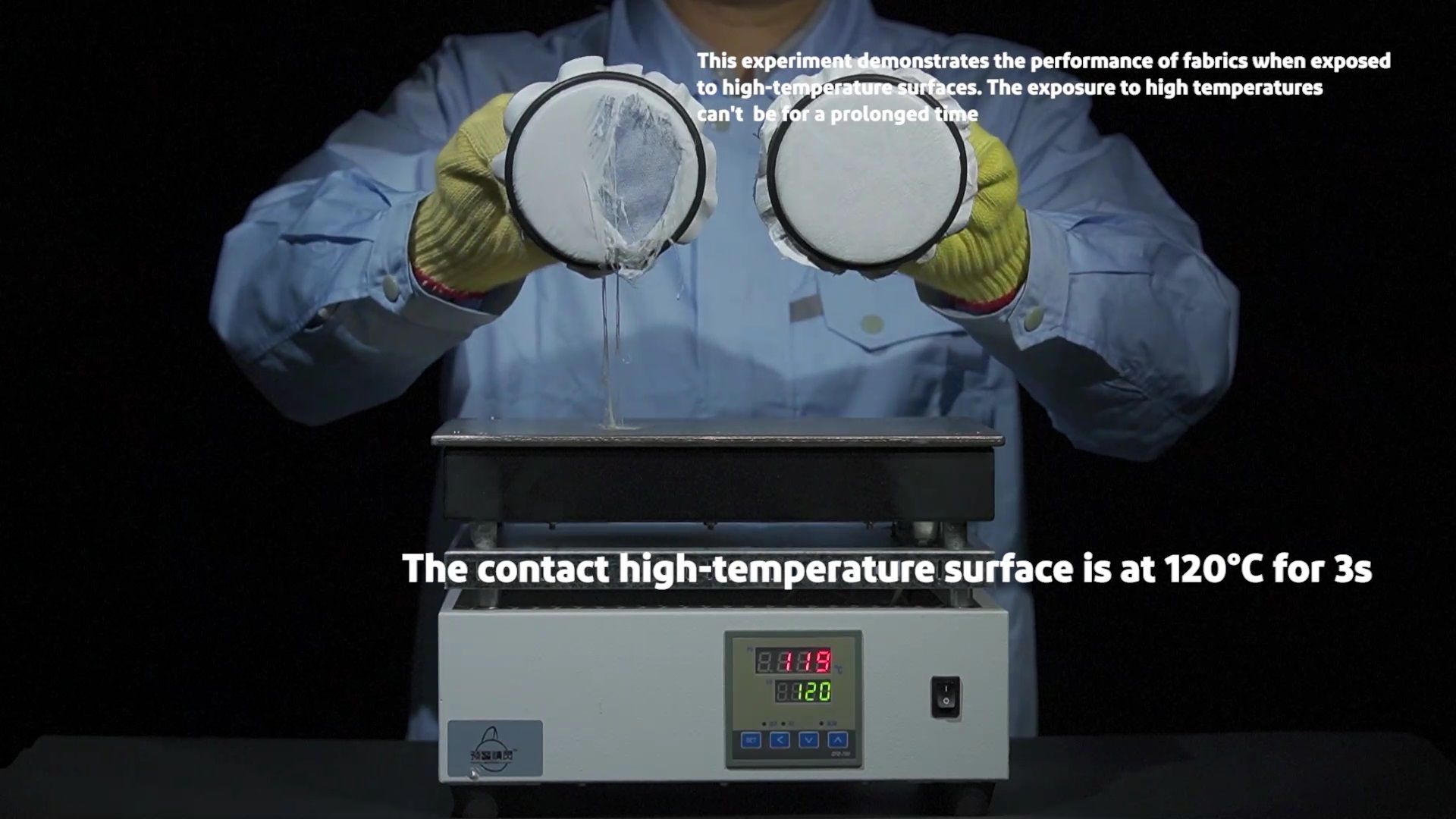
Tyvek® vs. MPF: Short-Time High-Temperature Surface Contact Risks and Protection

Tychem® vs. Chemically Treated Woven Workwear: Choosing the Right Protection Against Acids (40% Hydrofluoric Acid)

ProShield® SFR: Secondary Flame Resistance for Chemical and Flash Fire Protection

Tyvek® vs. SMS/MPF: Understanding Type 5—Lower Particle Inward Leakage by Fabric, Design, and Seam
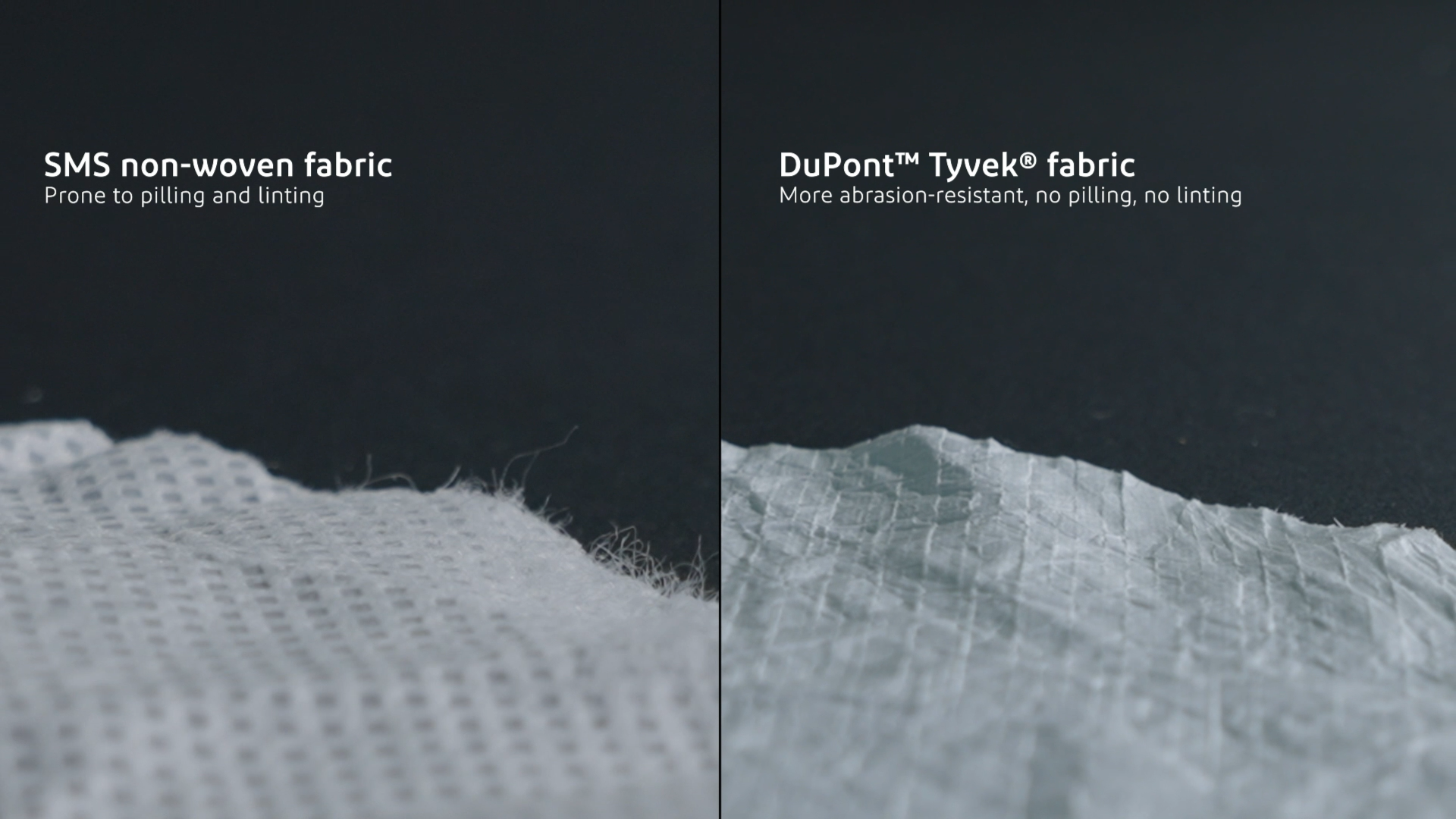
Tyvek® vs. SMS: Lower Linting for Reduced Contamination Risk to Your Product and Process
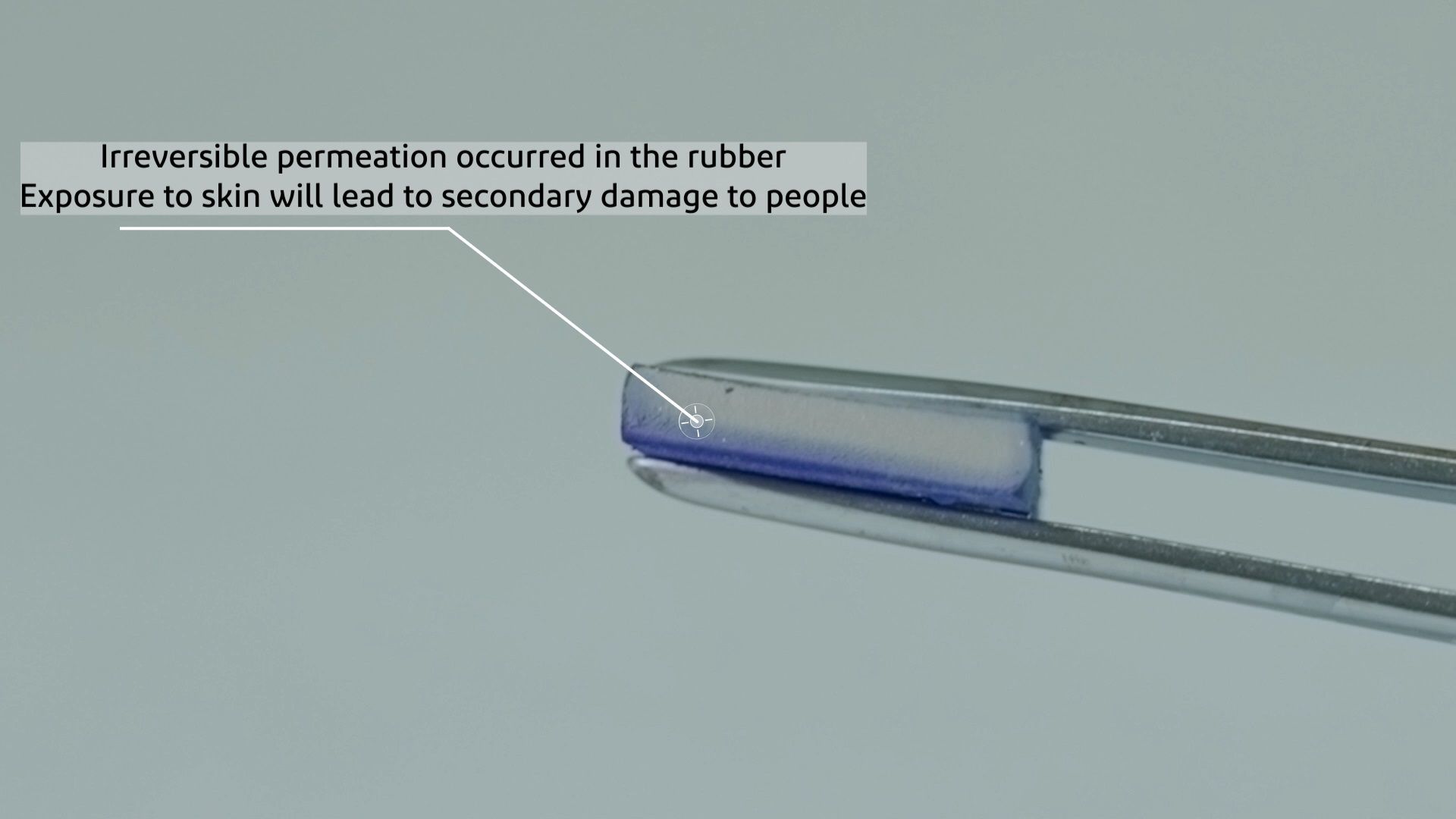
Tychem® vs. Rubber-Based Reusable: Why Limited-Use Tychem® Garments Reduce Permeation Risk After Contamination

Tyvek® vs. Reusable: The Right Protection for People and Contamination Control in Clean Environments
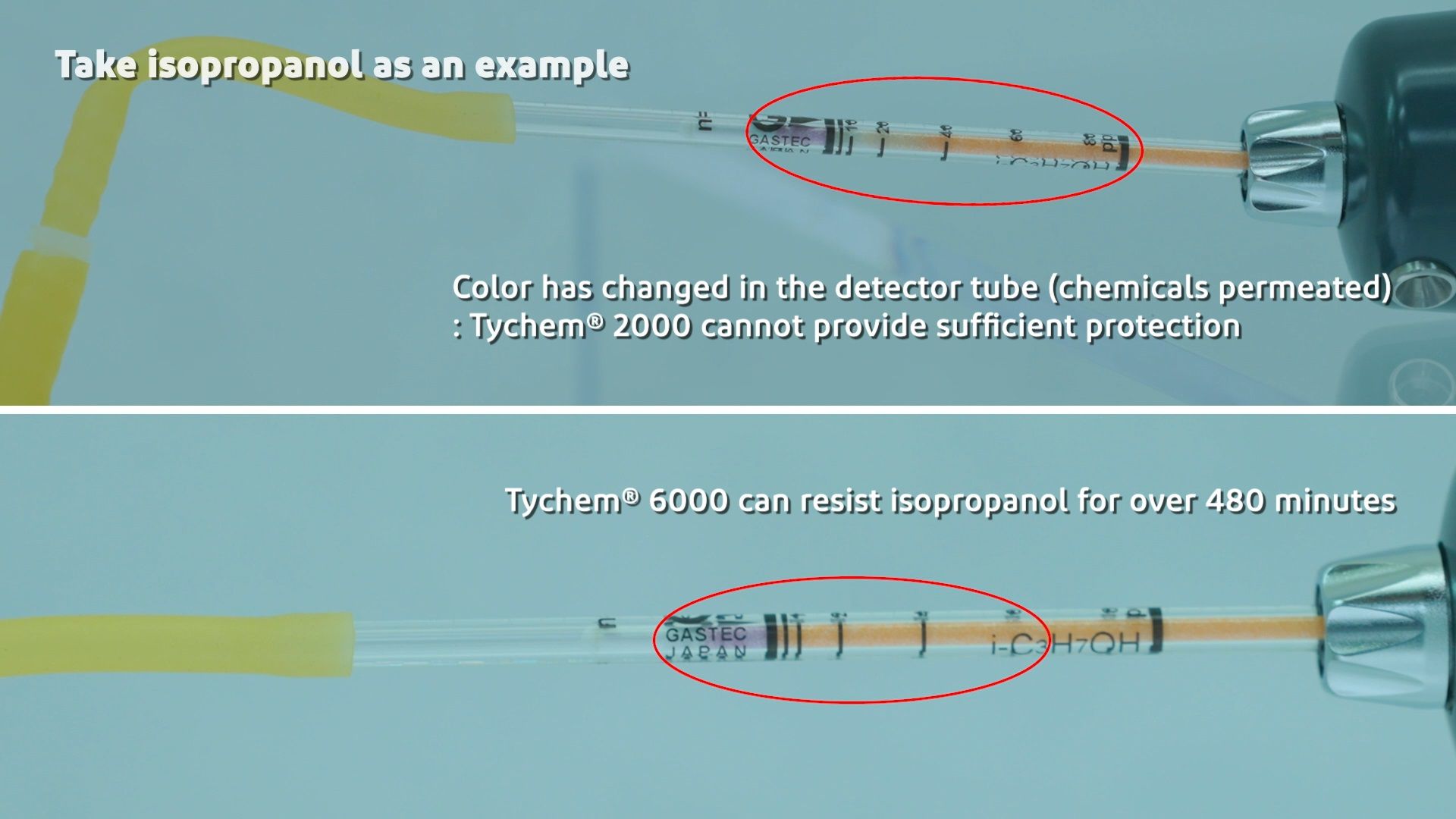
Safety Guide: Permeation Resistance—Choosing the Right Tychem® Fabric (Isopropanol Example)
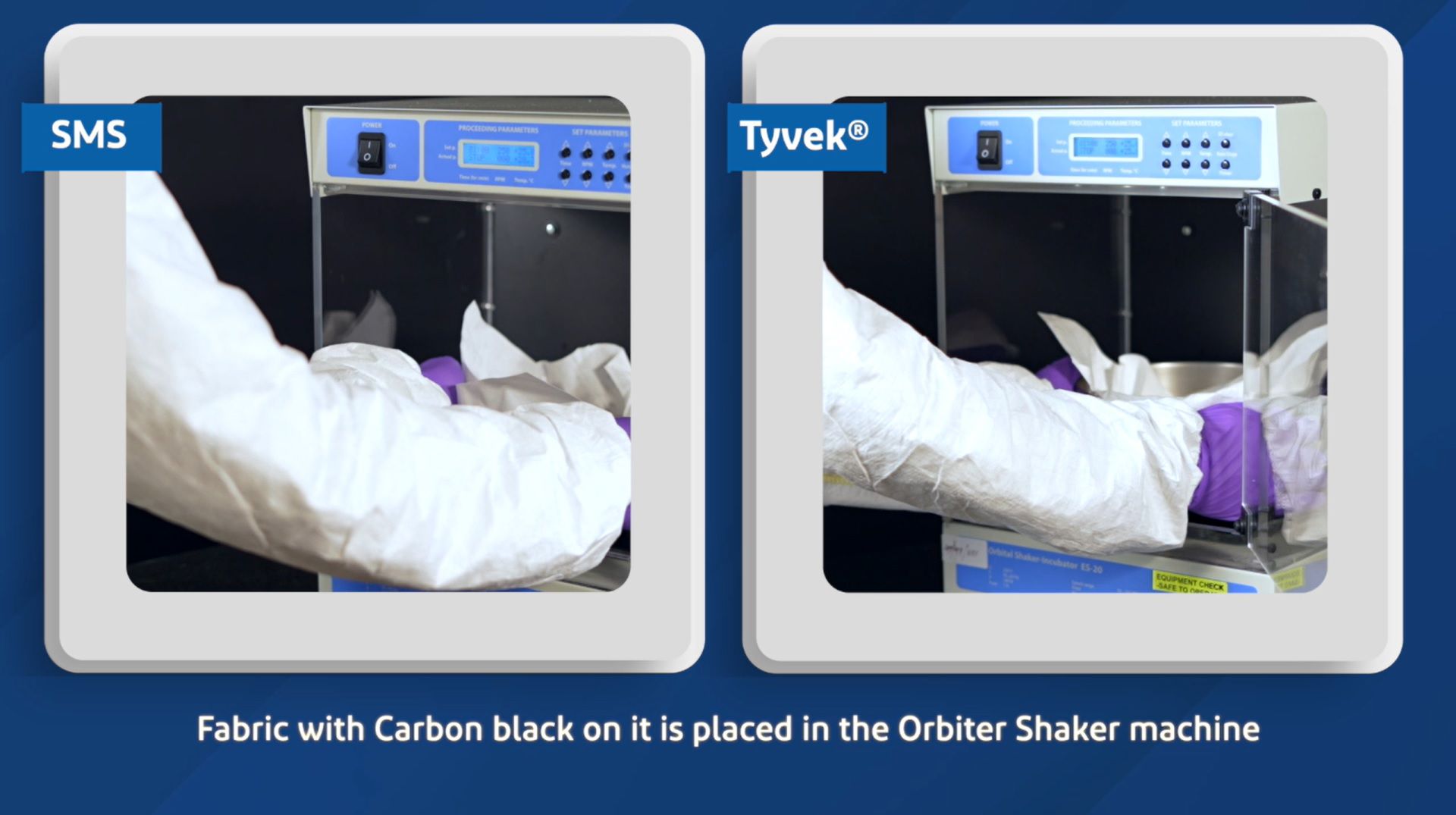
Tyvek® vs. SMS: Superior Particle Filtration and Protection Against Hazardous Particles

Safety Guide: Step-by-Step Procedure for Donning and Doffing Tyvek® Hooded Coveralls
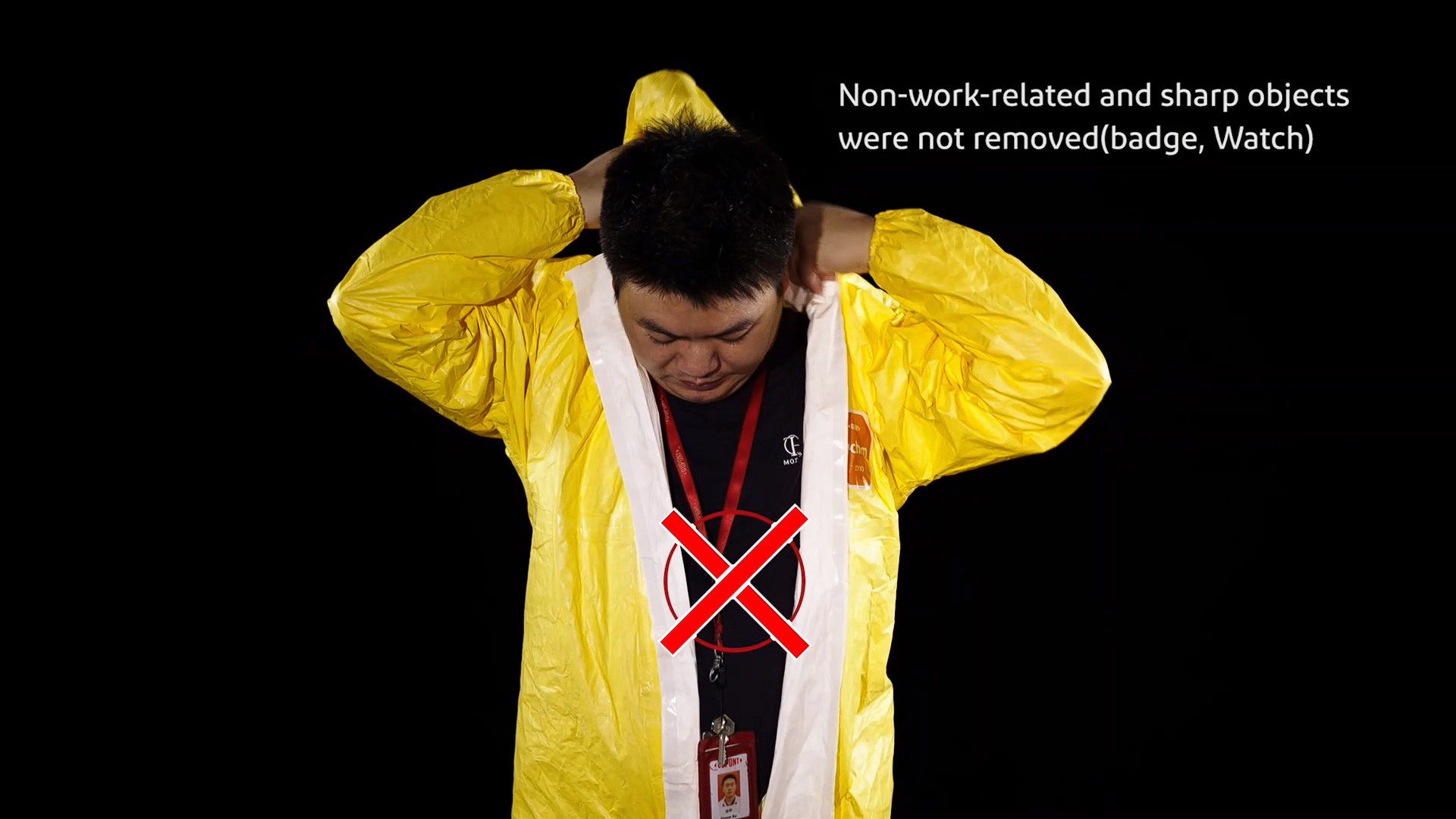
Safety Guide: PPE Donning and Doffing—Common Mistakes
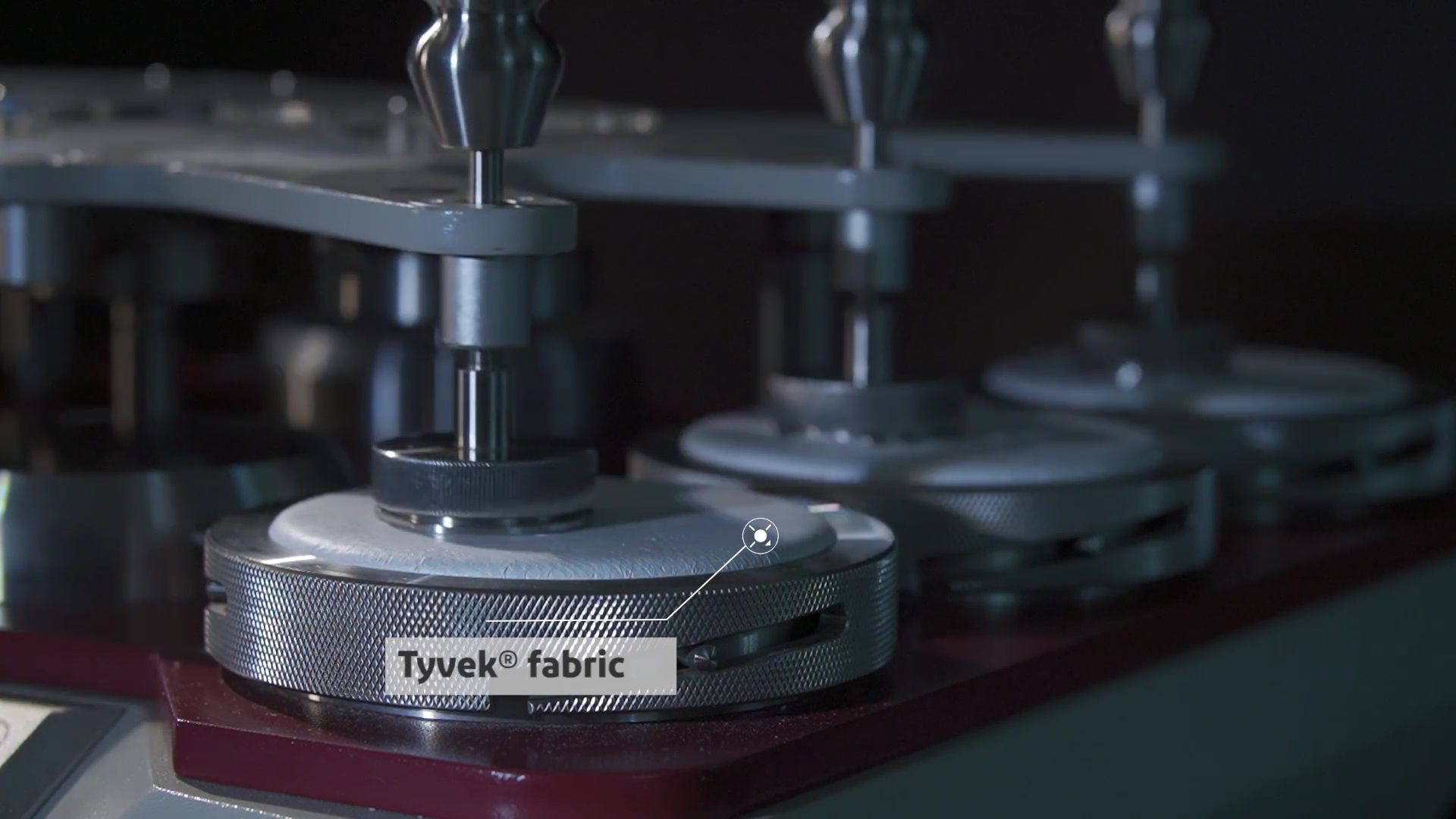
Tyvek® vs. MPF: Tough Against Abrasion, Performance You Can Trust
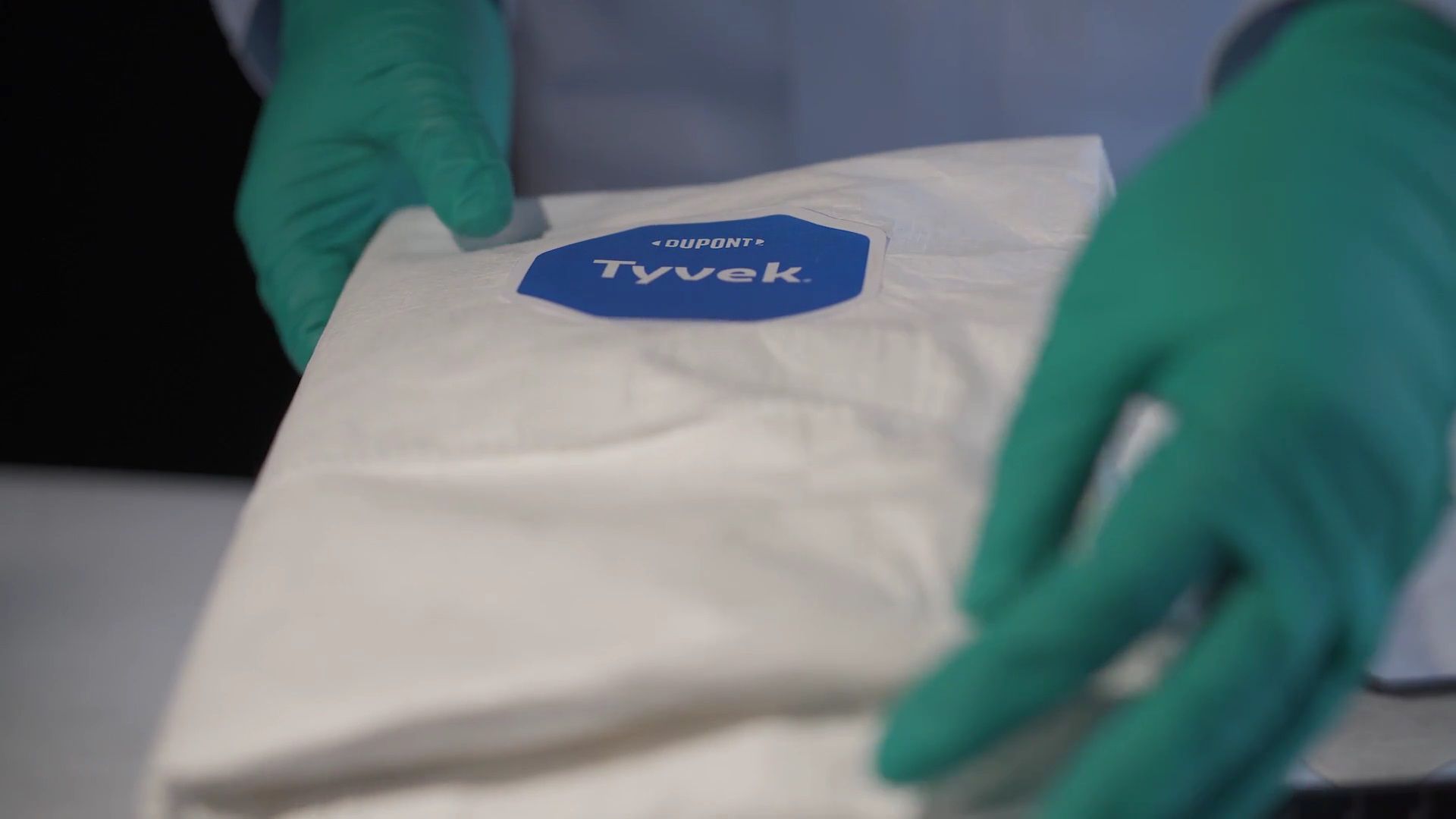
Tyvek® vs. MPF: Lightweight Protection for All-Day Comfort
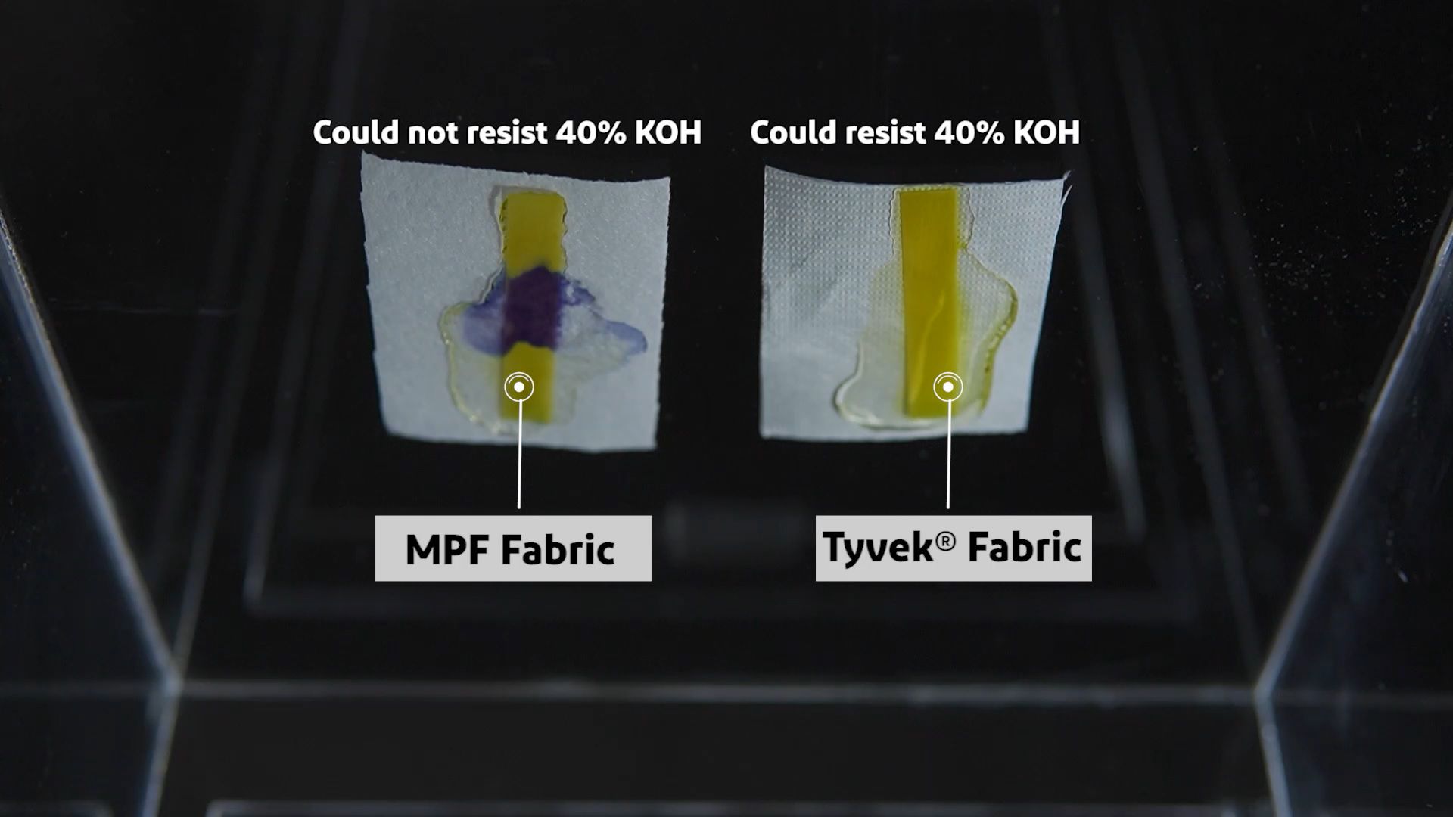
Tyvek® vs. MPF: Superior Protection Against Liquid Inorganic Chemicals (Example: 40% KOH – Potassium Hydroxide)
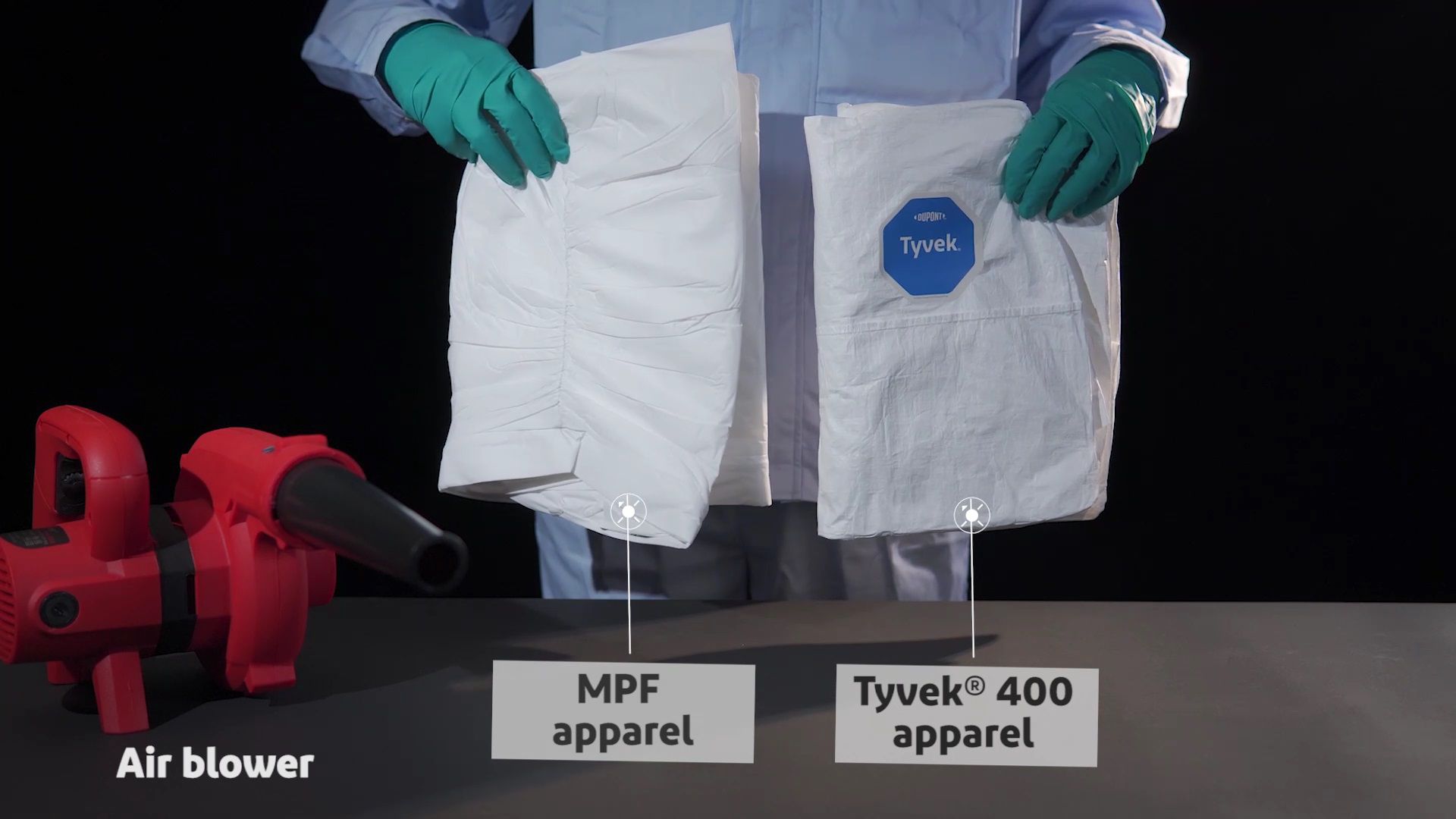
Tyvek® vs. MPF: Lower Linting for Reduced Contamination Risk to Your Product and Process

Tyvek® vs. MPF: Antistatic Performance to Prevent Static Discharge and Reduce Contamination Risk
Use DuPont™ SafeSPEC™ to make informed decisions on your chemical protective apparel choices with confidence! It is an interactive tool that provides the data you need to help select Tyvek®, Tychem® and ProShield® garments.